


How to Build an Emergency Fund in 3 Months (Even on a Tight Budget)
If you lost your job tomorrow, how long could you survive financially? For most Americans, the answer is less than 30 days. That’s a scary reality — but it’s also fixable. Building an emergency fund is the single most important financial move you can make, and you can do it in just 3 months even if money feels tight right now.
What Is an Emergency Fund?
An emergency fund is money set aside specifically for unexpected expenses — job loss, medical bills, car repairs, or any financial crisis that life throws at you. Financial experts recommend saving 3 to 6 months of living expenses. For the average American, that means having between $10,000 and $25,000 saved and accessible at all times.
Why Most People Don’t Have One
A recent survey found that nearly 57% of Americans cannot cover a $1,000 emergency without going into debt. The problem isn’t income — it’s the lack of a system. Most people spend first and save whatever is left, which is usually nothing. The solution is to flip that habit completely.
Step 1: Calculate Your Target Number
Before saving a single dollar, you need to know your target. Add up your monthly essential expenses:
- Rent or mortgage payment
- Groceries and food
- Utilities and internet
- Transportation costs
- Insurance premiums
- Minimum debt payments
Multiply that total by 3. That is your 3-month emergency fund target. For example, if your essential monthly expenses total $3,000, your target is $9,000.
Step 2: Open a Dedicated High-Yield Savings Account
Never keep your emergency fund in your regular checking account — you will spend it. Instead open a separate high-yield savings account that earns real interest. The best options in 2026 include Marcus by Goldman Sachs, Ally Bank, and SoFi, all of which offer significantly higher interest rates than traditional banks. Some currently offer over 4% APY, meaning your money grows while it sits there.
Step 3: Automate Your Savings
This is the most important step. Set up an automatic transfer from your checking account to your emergency fund account on every payday. Even $200 per paycheck adds up to $400 per month and over $1,200 in 3 months. You cannot spend money you never see.
Step 4: Find Your Extra $200 Per Month
Most people can find an extra $200 per month without drastically changing their lifestyle. Here are proven ways to do it:
- Cancel subscriptions you forgot you had
- Cook at home 3 more times per week
- Pause one streaming service temporarily
- Sell unused items around your home
- Take one extra shift or freelance gig per month
Small changes compound quickly. Cutting $50 per week from unnecessary spending equals $600 in 3 months.
Step 5: Use Windfalls Wisely
Tax refund coming? Work bonus? Birthday money? Put at least 50% of every unexpected windfall directly into your emergency fund. This one habit can cut your savings timeline in half.
How Much Should You Save Each Month?
| Monthly Savings | 3-Month Total |
|---|---|
| $300/month | $900 |
| $500/month | $1,500 |
| $800/month | $2,400 |
| $1,000/month | $3,000 |
| $1,500/month | $4,500 |
Start with whatever you can. Something is always better than nothing.
Where to Keep Your Emergency Fund
Your emergency fund should be kept in an account that is safe, accessible within 1-2 business days, and earning interest. The best options are high-yield savings accounts and money market accounts. Never invest your emergency fund in stocks or crypto — the whole point is that it is there when you need it, not down 30% during a market crash.
What Counts as an Emergency?
Many people raid their emergency fund for non-emergencies. To protect your savings, be strict about what qualifies. Real emergencies include job loss, medical expenses not covered by insurance, urgent car or home repairs, and family crises. A sale at your favorite store is not an emergency. A vacation is not an emergency.
The Bottom Line
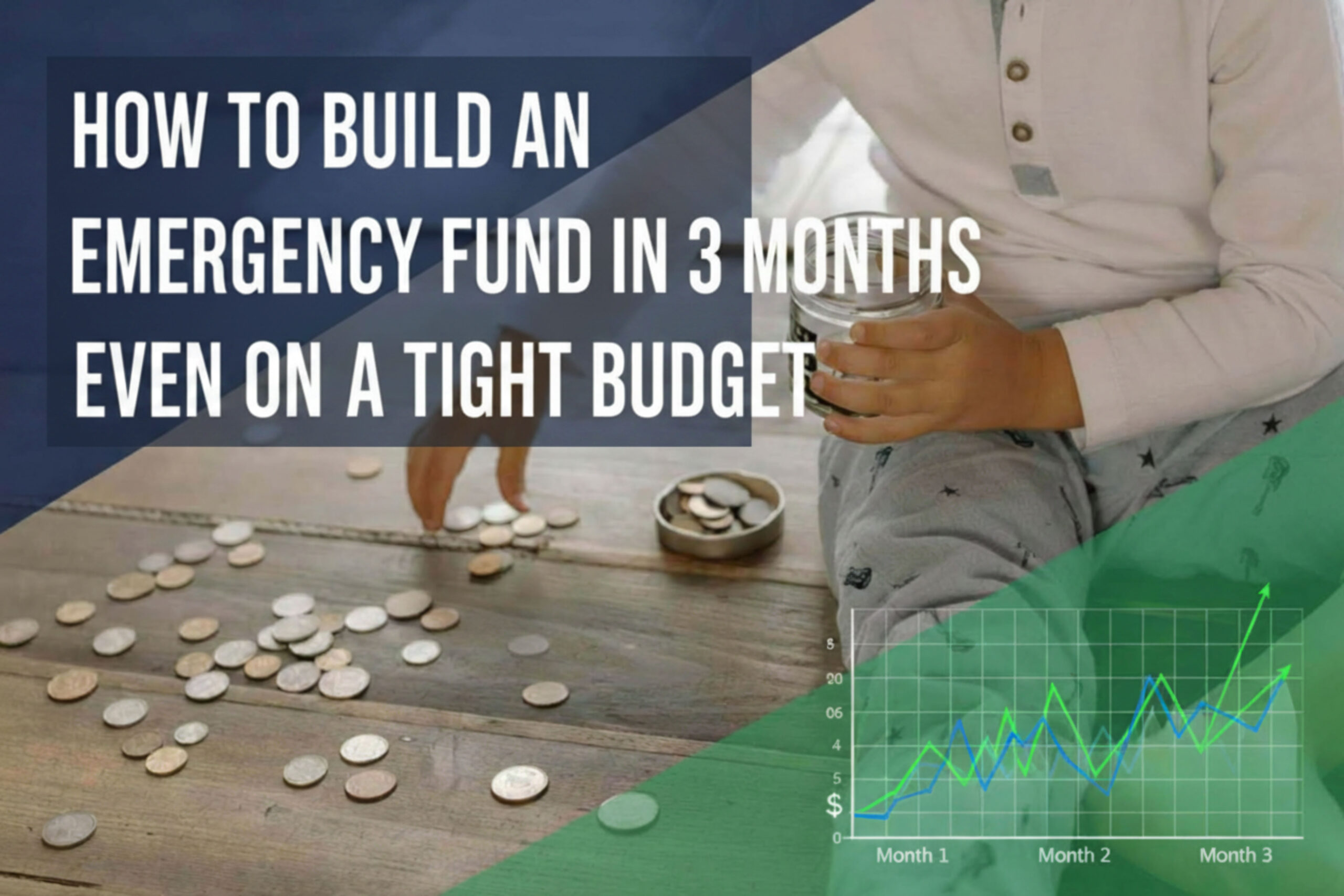
Building an emergency fund in 3 months is absolutely achievable with the right system. Calculate your target, open a dedicated high-yield savings account, automate your contributions, and cut just enough spending to hit your monthly goal. Three months from now you could have a fully funded emergency cushion that protects everything you have worked hard to build.
Start today. Your future self will thank you.