





Most people who struggle financially are not victims of bad luck. They are victims of bad habits — small, daily decisions that slowly drain their wealth without them even noticing. The good news is that habits can be changed. Here are the 10 most common money habits keeping people broke in 2026 and exactly how to fix each one.
Habit 1: Spending Before Saving
The most common and most damaging money habit is spending your entire paycheck and saving whatever is left — which is usually nothing. The fix is simple but powerful: pay yourself first. The moment your paycheck arrives, automatically transfer a set amount to savings before you spend a single dollar on anything else.
Habit 2: No Budget Whatsoever
Living without a budget is like driving without a map. You have no idea where your money is going until it is gone. The fix: spend 20 minutes creating a simple monthly budget. List your income, subtract your essential expenses, and assign every remaining dollar a purpose. Free apps like Mint and YNAB make this effortless.
Habit 3: Paying Only the Minimum on Credit Cards
Minimum payments are designed to keep you in debt as long as possible while the bank collects maximum interest. A $5,000 credit card balance at 24% APR paid with minimum payments will take over 17 years to pay off and cost you thousands in interest. The fix: always pay more than the minimum — ideally the full balance every month.
Habit 4: Lifestyle Inflation
Every time your income increases, your spending increases to match it. This is called lifestyle inflation and it is the silent wealth killer. Getting a raise but upgrading your car, apartment, and wardrobe immediately means you never actually get ahead. The fix: when your income increases, increase your savings rate by the same percentage before spending a single extra dollar.
Habit 5: No Emergency Fund
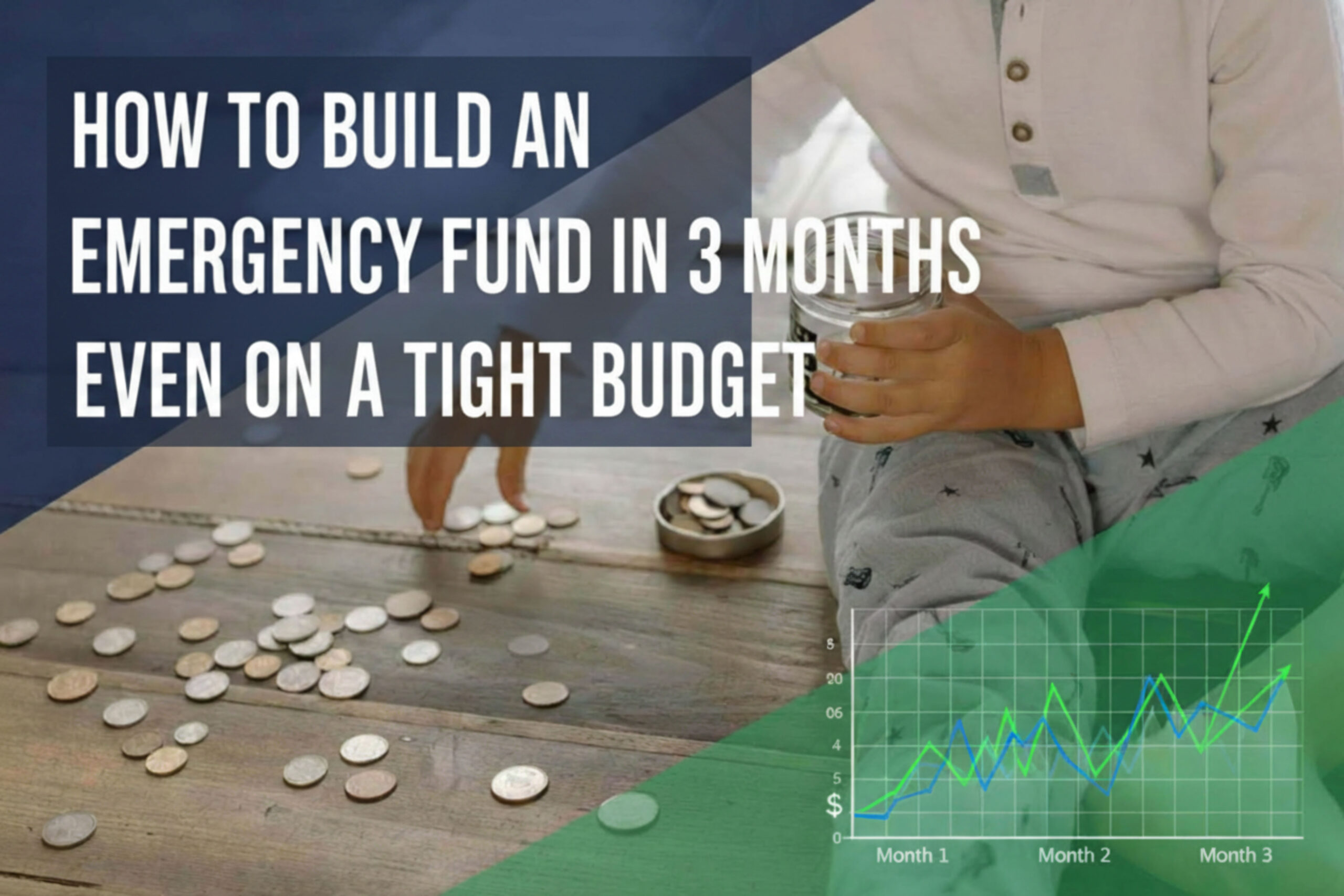
Without an emergency fund, every unexpected expense becomes a financial crisis that sends you into debt. Medical bills, car repairs, job loss — life is unpredictable. The fix: build a 3-month emergency fund before focusing on any other financial goal. Even $25 per week adds up to $1,300 per year.
Habit 6: Impulse Buying
Retailers are experts at triggering impulse purchases. Flash sales, one-click buying, and endless social media ads are all designed to make you spend without thinking. The fix: implement a 48-hour rule. Before any non-essential purchase over $50, wait 48 hours. Most impulses disappear completely within that time.
Habit 7: Ignoring Subscriptions
The average American spends over $200 per month on subscriptions they barely use. Streaming services, gym memberships, apps, and monthly boxes quietly drain accounts without anyone noticing. The fix: audit every subscription right now. Cancel anything you have not actively used in the last 30 days.
Habit 8: Not Investing Early
Every year you delay investing is compounding interest you will never get back. A 25-year-old who invests $300 per month will have dramatically more at retirement than a 35-year-old investing the same amount — simply because of time. The fix: start investing today, even if it is a small amount. Open a Roth IRA or contribute to your employer 401k at minimum.
Habit 9: Keeping Up With Others
Buying things to impress people who honestly do not care is one of the fastest ways to destroy wealth. New cars, designer clothes, and luxury vacations funded by debt are financial traps disguised as status symbols. The fix: measure your financial success against your own goals, not someone else’s Instagram feed.
Habit 10: Never Negotiating
Most people pay full price for everything — insurance, bills, salaries, and services — simply because they never ask for a better deal. The fix: negotiate everything. Call your internet provider, insurance company, and phone carrier once a year and ask for a better rate. Most will offer discounts simply to keep your business.
The Bottom Line
Wealth is built through consistent habits, not lucky breaks. Identify which of these habits are holding you back and fix them one at a time. Small changes in daily money behavior compound into massive financial results over months and years.